
ERC-7984
The ERC-20 token, with the amounts encrypted.



Where it is used
Confidentiality is the requirement.

Real-world assets
Investors, terms, and the cap table stay sealed.

Payroll
Pay onchain without publishing the amount.
Trading
The position stays off the public book.

Distributions
Who received what stays encrypted.
FHE
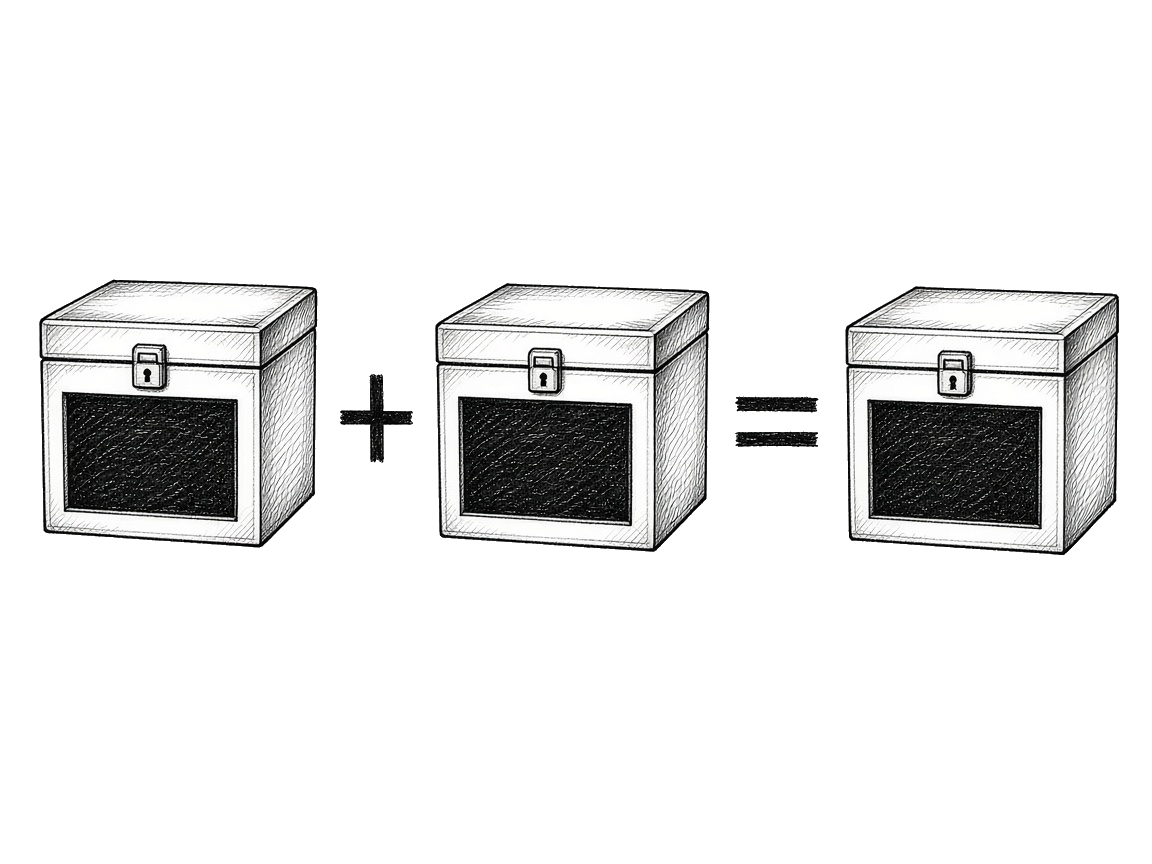
This is the calculation. The token adds, subtracts, and compares while every amount stays ciphertext. Coprocessors run that work, and anyone can recompute it. The numbers stay hidden from the chain.

FHEVM
This is the Solidity the token is written in. A balance is an euint64 handle, not a public uint256. The contract still checks and moves value. The chain records the operation and hands back a new handle.

ACL
This is who may open a handle. The token writes the list: the holder, an auditor, a regulator. A name that is not on it never gets the amount.
Same calls. Sealed amounts.
If you have written an ERC-20, this is the same token. Balance, transfer, and read are the same calls. The amount stays sealed, so the chain records the move and never the number.
Balances
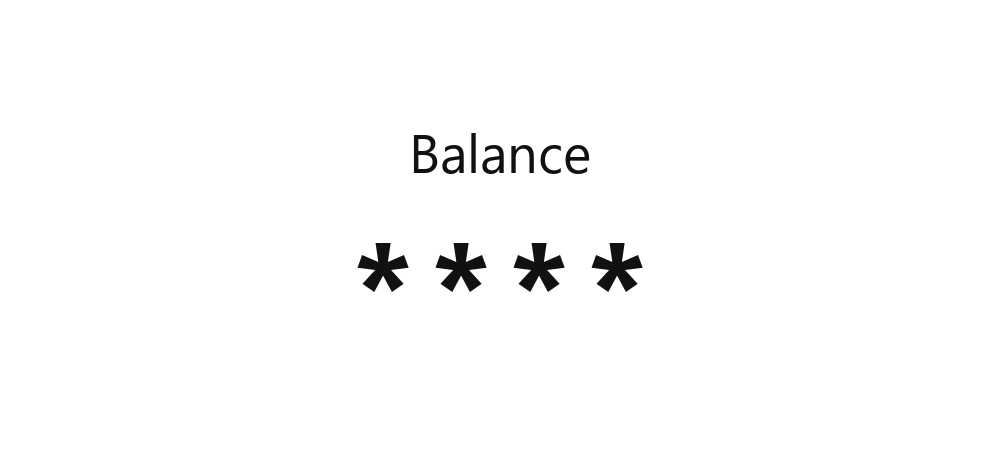
An euint64 handle. Not a public number. The wallet shows **** because the balance stays ciphertext.
Transfers
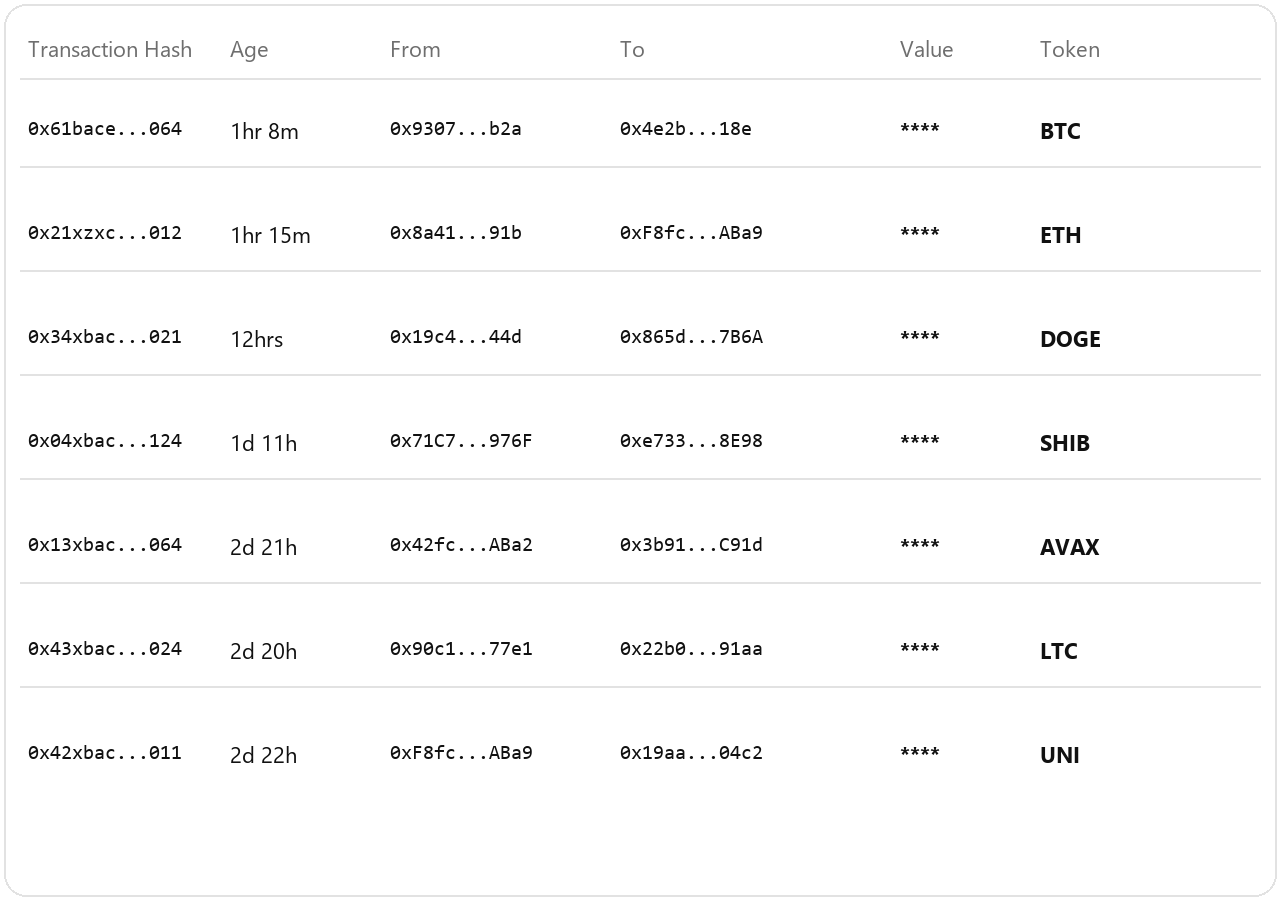
confidentialTransfer, instead of transfer. From and to stay visible. The value on the explorer is ****.

A read
confidentialBalanceOf, instead of balanceOf. You still ask for a balance. The answer is a sealed handle, not the amount.